The Memory Police (1994)
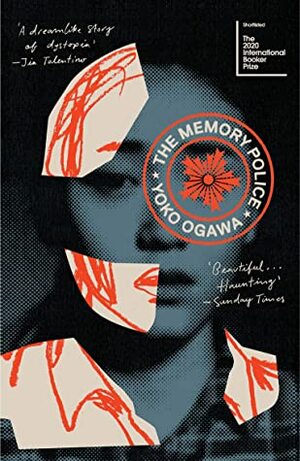
Author: Yoko Ogawa
Format: Paperback
[Extremely mild spoilers I guess?] The Memory Police follows an unnamed narrator on a dystopian island where the so-called ‘Memory Police™️’ can choose to erase people’s memories of Literally Anything on the island, and enforce their erasure of memory through your standard slate of extrajudicial abductions, inane bureaucracy, etc. The actual mechanism of memory erasure is relatively obscure — every so often, inhabitants of the island simply wake up with the sense that something has disappeared again and they have to try and piece together what it is just as it’s slipping out of their memory. Interestingly, everyone on the island still has to discard any items related to the erased thing — when the concept of birds is erased, anyone who owned a pet bird (willingly) releases their birds with only a vague sense of loss. As the novel begins, the disappearances are becoming more and more common; even more noticably, the activity of the Memory Police has itself ramped up as people whose memories aren’t erased are sought out and captured. Indeed, the main plot of the novel kicks off when the narrator, who works as a novelist, decides to hide her editor because he reveals himself to be one of the few people who doesn’t forget.
Although it was depressing, I enjoyed Ogawa’s exploration of what it would be like to simply forget about key objects in your life. In particular, I think the decision (contra classic dystopian novels following a revolutionary) to follow a relatively normal person on the island makes the novel tick — despite her small rebellion in hiding her editor, the narrator is unable or unwilling to stage any larger scale resistance, in large part due to the continual loss of her memories. The overwhelming feeling from the novel is a sense of utter helplessness for most people on the island; without any memories to ground their world, every new item given up can only be accepted without complaint. Even when, inevitably, the Memory Police forces novels to disappear and the narrator loses her livelihood, all she can do is sadly burn her library while her editor desperately tries to convince her to hang onto her in-progress manuscript to jog her memory. The stifling oppression of the island is mirrored by excerpts from the narrator’s novel-in-progress, which centres on a woman who has lost the ability to talk and must use a typewriter before her typing teacher-turned-boyfriend reveals that he deliberately took her voice away before taking her typewriter away and confining her to an attic.
👍 good book.